The Hidden Cause of Sciatica Pain: What Most Treatments Overlook
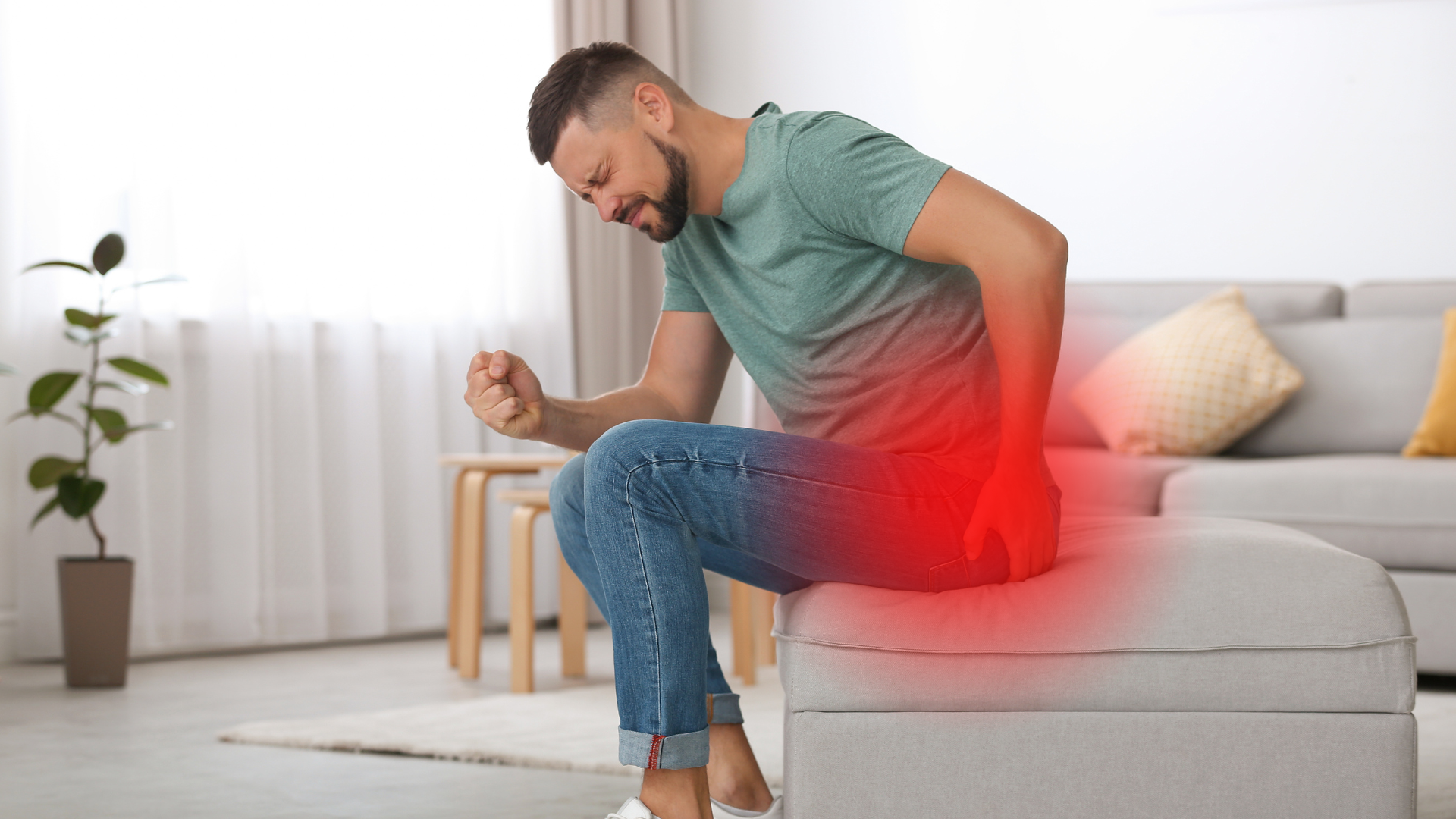
Sciatica pain is common but often misunderstood. It affects millions worldwide, yet many treatments focus only on surface-level issues like piriformis syndrome. The British Journal of Anaesthesia reports that 13% to 40% of people will experience sciatica in their lifetime, with 1% to 5% suffering from it each year.
While piriformis syndrome can contribute to sciatic nerve pain, lasting sciatica relief comes from treating the root cause. One frequently overlooked issue is Sidebending Problems, a postural imbalance that leads to pelvic misalignment. This misalignment can create a pinched nerve, sciatic nerve irritation, and chronic pain.
In this article, you’ll learn:
- What Sidebending Problems are and how they cause sciatica pain
- Why weak hip abductors play a key role in sciatic nerve compression
- A simple strengthening exercise that improves posture and reduces nerve pressure
- Answers to the most common questions about sciatica treatment and relief
I’ve seen it many times with my clinical patients. When they tackle the root cause, they feel less pain and have fewer flare-ups. They also move better in the long run.
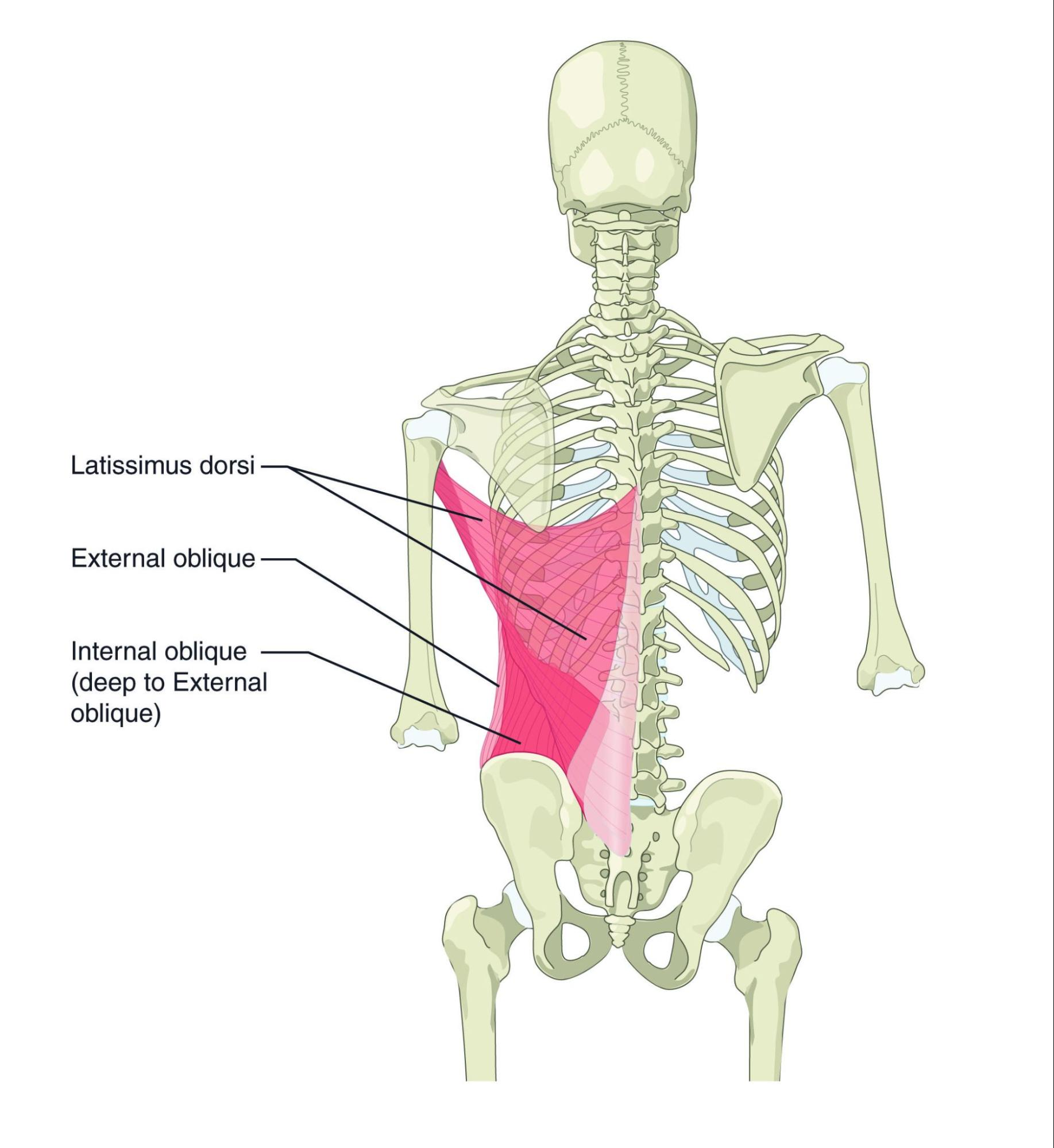
Sidebending Problems happen when the pelvis and rib cage are not aligned. This imbalance can cause sciatica pain, SI joint issues, and lower back pain on one side. A misaligned pelvis puts pressure on the sciatic nerve, leading to sciatica symptoms like nerve irritation, leg pain, or a pinched nerve in the lower back.
To check if this issue affects you, see first article link for a simple test that identifies sciatica-related pain patterns. Fixing postural imbalances is key to lasting sciatica relief and effective sciatica treatment.
Most of my patients think they have a leg-length discrepancy. However, it’s usually just an illusion from pelvic misalignment. When the pelvis is uneven, it can shift weight distribution, making one leg appear shorter. This imbalance can lead to sciatica pain, lower back pain, and SI joint problems. Correcting pelvic alignment often resolves the issue without invasive treatment.
Check out my YouTube video on leg-length discrepancies. Learn how this impacts your sciatic nerve and discover ways to restore balance.
Quadratus Lumborum (QL) Spasm: Symptom, Not the Cause
A tight or spasming Quadratus Lumborum (QL) muscle can make sidebending hard. This might also cause sciatica symptoms. But, a QL spasm is usually a symptom rather than the root cause. Weak hip abductors cause the body to rely too much on the QL muscle. This can result in tightness and pain. Addressing the underlying postural imbalances can prevent recurring spasms and relieve lasting sciatica.
Watch my video on QL spasms. It shows how pelvic alignment and core stability play a role in treating sciatica.
The Root Cause of Sciatica Pain: Weak Hip Abductors
One major cause of sidebending problems and sciatica pain is weak hip abductors. These muscles control pelvic stability and keep weight evenly distributed while walking. When they are weak, the hips sway too much, leading to pelvic misalignment. Over time, this imbalance stresses the sciatic nerve, increasing the risk of a pinched nerve. This can trigger sciatica symptoms such as nerve irritation, leg pain, and lower back discomfort.
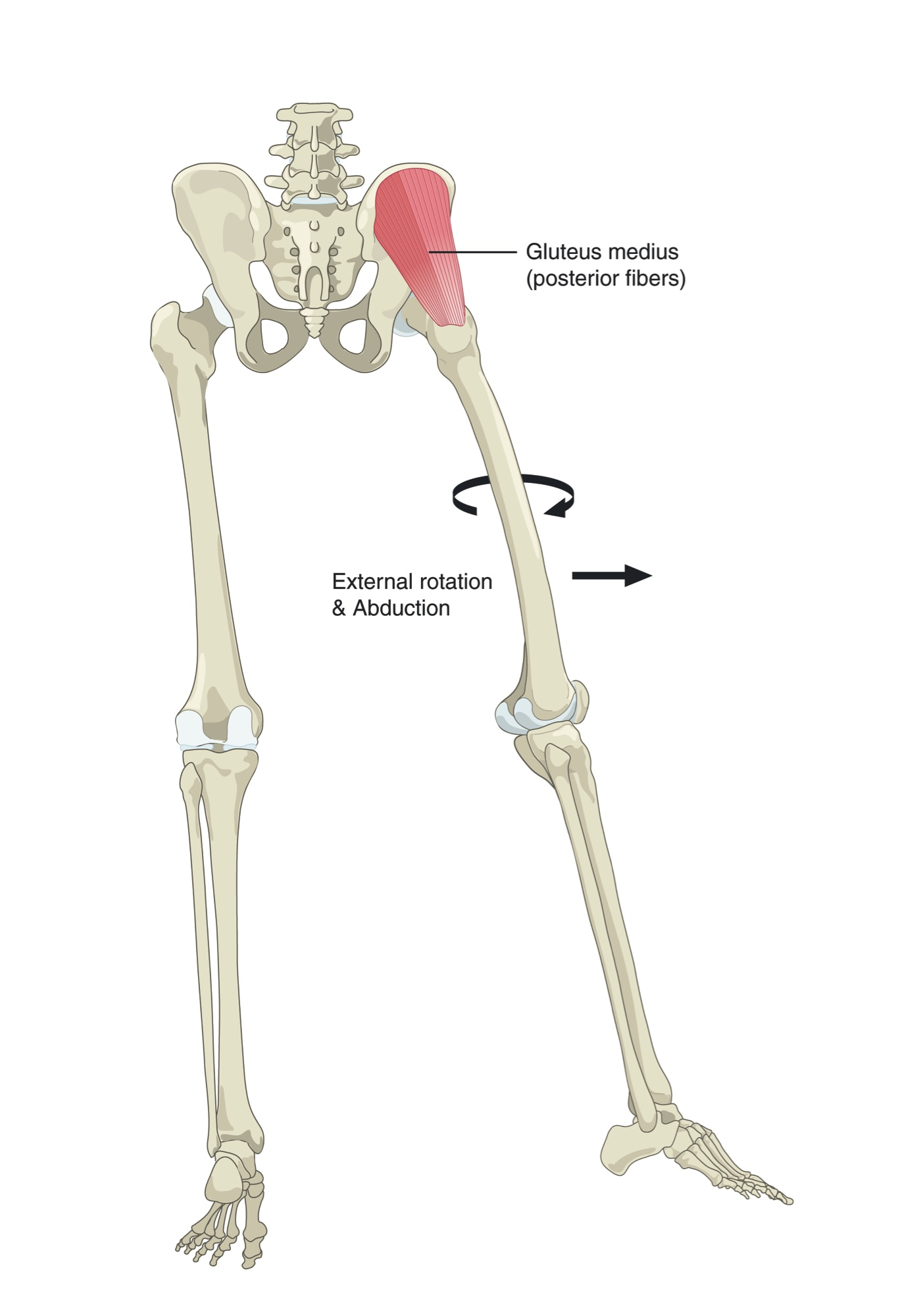
- Habitual Movement Patterns: Carrying a child on one hip or standing unevenly strains one side, weakening the hip abductors over time.
- Past Injuries: Hip, knee, or ankle injuries can cause compensatory movements, leading to uneven weight distribution and further muscle weakness.
- Overcompensation: If one leg is weaker, the body shifts weight to the stronger side. This can create postural imbalances, contributing to sciatica pain and SI joint problems.
Weak hip abductors often lead to chronic lower back pain, hip discomfort, or ongoing sciatica symptoms.
Watch my YouTube video to test which leg is affected and learn how to restore balance.
Strengthening hip abductors improves pelvic stability, posture, and sciatica pain relief. Weak hip abductors can cause pelvic misalignment, putting pressure on the sciatic nerve. This may lead to a pinched nerve, lower back pain, and sciatica symptoms. These exercises help restore balance, improve posture, and reduce sciatic nerve compression.
Step 1: Identify the Weaker Leg
To fix muscle imbalances, first determine which leg is weaker.
- 1. Stand in front of a full-length mirror and lift one foot ½ inch off the ground.
- 2. Check for trunk sidebending or lateral sway in your standing leg.
- 3. Repeat on the opposite leg and compare. A shoulder drop or trunk collapse may indicate an imbalance.
Level 1: Static Balance
- Stand on one leg with the opposite foot slightly off the floor.
- Use a pole for support, but as little as possible. Hold the pole on the same side as your stance leg.
- Hold for 30 seconds, completing 3 sets per leg.
- Maintain an upright posture — Focus on maintaining a tall posture and no hip jutting. You will aim to do this with perfect posture without hip sway or shoulder dropping.
- Lift one foot slightly and move it 6 inches outward, then return to the starting position without touching the floor.
- Keep hips and shoulders level throughout the movement.
- Perform 15 repetitions per side for 3 sets.
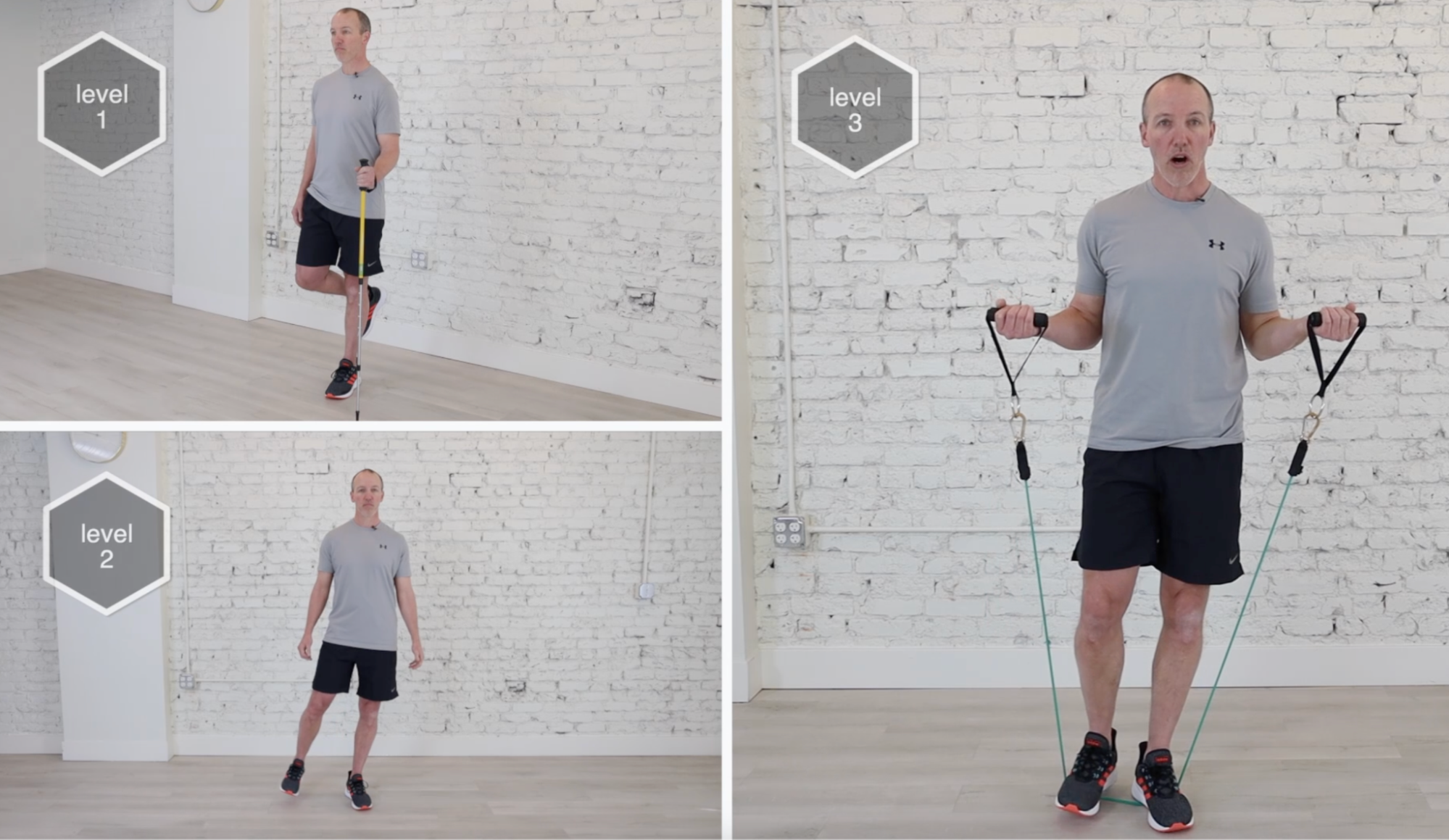
- Use a light to medium resistance band or exercise tube.
- Stand on the band with both feet and hold the handles while performing the same movement as in Level 2.
- Complete 3 sets of 15 repetitions, keeping strict form and even posture.
Regular practice will strengthen weak hip abductors, correct imbalances, and relieve sciatic nerve pressure. This helps reduce sciatica pain and prevent future flare-ups.
Ready to take control of your sciatica pain and fix the root cause? Here’s how you can learn more and continue your recovery:
1. Read My Book on Sciatica and Back Pain Relief
Pain Patterns: Why You Are in Pain and How to Stop It covers sciatica, back pain, and nerve compression. It explains why these conditions happen and how to relieve them. This book offers practical solutions. It helps fix postural imbalances and pelvic misalignment for lasting relief. Get your copy on Amazon today.
My home programs target pain at its source. They help you strengthen weak muscles and relieve pressure on the sciatic nerve. Use code “RickBlog20” at rickolderman.com for 20% off.
Visit my YouTube channel for expert tips and guided sciatica exercises. These videos show ways to fix sidebending issues, weak hip abductors, and poor posture. These factors are important in treating sciatica. With hundreds of videos available, start exploring now!
Final Thoughts: Achieve Lasting Sciatica Relief
Understanding sciatica pain goes beyond treating symptoms—it requires fixing the root cause. Weak hip abductors can cause sidebending problems. This leads to pelvic misalignment. As a result, it may compress the sciatic nerve, pinch a nerve, and cause chronic lower back pain. By addressing these imbalances, you can relieve sciatica symptoms and prevent future flare-ups.
This guide gives you the tools and resources for lasting relief from sciatica. You can now use my book, digital programs, or special exercises to fix posture issues. This will help improve your sciatic nerve health.
Start your journey today and reclaim a pain-free life with a stronger, more balanced body!
What is the quickest way to stop sciatica?
The fastest way to relieve sciatica pain is to reduce pressure on the sciatic nerve. This can be done by:
- Correcting postural imbalances, such as Sidebending Problems, which cause pelvic misalignment.
- Strengthening the hip abductors, which helps stabilize the pelvis and prevent nerve compression.
- Performing targeted balance exercises to improve alignment and relieve strain.
Temporary relief methods may help, but long-term relief requires fixing the root cause.
How can I permanently fix sciatica?
To permanently fix sciatica, you must correct muscle imbalances and postural issues that contribute to sciatic nerve compression. This includes:
- Identifying the weaker leg and addressing hip abductor weakness.
- Strengthening exercises, such as static balance, dynamic movement, and resistance training, to restore pelvic stability.
- Improving overall posture to prevent excessive sway and pressure on the sciatic nerve.
Without addressing the underlying cause, sciatica pain may return.
Does sciatica go away on its own?
Sciatica may temporarily improve, but without fixing pelvic misalignment and weak hip abductors, the pain is likely to return. Many treatments focus only on symptom relief, while the real solution lies in correcting movement patterns that cause pressure on the sciatic nerve.
Can I cure my own sciatica?
Yes, many cases of sciatica pain can be managed through self-care and targeted exercises. The article outlines a step-by-step exercise program to correct muscle imbalances, stabilize the pelvis, and relieve sciatic nerve pressure.
By consistently strengthening weak muscles and improving posture, you can achieve long-term relief without medical intervention.
Does walking help sciatica?
Walking can help reduce stiffness and promote mobility, but if your hip abductors are weak or your pelvis is misaligned, walking with poor posture may worsen sciatica symptoms.
To walk correctly with sciatica pain:
- Engage your core and keep your posture upright.
- Avoid overcompensating on one side due to muscle weakness.
- Use strengthening exercises to improve balance and reduce sciatic nerve strain.
How do you calm down a sciatica flare-up?
To quickly calm a sciatica flare-up, follow these steps:
- 1. Identify the root cause – Check for Sidebending Problems or muscle imbalances.
- 2. Use minimal support if needed, but focus on balance.Perform gentle strengthening exercises – Static balance drills help stabilize the pelvis and relieve sciatic nerve compression.
- 3. Avoid positions that worsen the pain – Standing unevenly or sitting for long periods can aggravate sciatica symptoms.
- 4. Watch for habitual patterns – Carrying weight on one side or standing unevenly can worsen postural imbalances.
Can a chiropractor fix sciatica?
A chiropractor may help relieve temporary symptoms by adjusting pelvic alignment, but lasting relief requires strengthening weak hip abductors. Adjustments alone won’t prevent sciatica pain from returning without correcting postural issues and muscle imbalances.
What is the number one exercise for sciatica?
The best exercise for sciatica relief is Static Balance Training, which strengthens the hip abductors and improves pelvic alignment.
How to Perform It:
- 1. Stand on one leg with the opposite foot slightly off the floor.
- 2. Use minimal support if needed, but focus on balance.
- 3. Hold for 30 seconds, completing 3 sets per leg.
- 4. Maintain perfect posture – no swaying or hip jutting.
Progressing through dynamic movement and resistance training further enhances sciatica pain relief.
What are the four stages of sciatica?
Sciatica pain progresses through four stages, based on postural imbalances and nerve compression severity:
- 1. Pelvic Misalignment Stage – Weak hip abductors cause an uneven pelvis, leading to strain on the sciatic nerve.
- 2. Nerve Compression Stage – Increased pressure on the sciatic nerve results in sciatica symptoms, such as leg pain, nerve irritation, and lower back discomfort.
- 3. Chronic Imbalance Stage – Without correction of Sidebending Problems, recurring sciatica pain and postural dysfunction develop.
- 4. Long-Term Dysfunction Stage – Severe cases may lead to persistent muscle weakness, ongoing pain, and movement limitations.
Addressing muscle imbalances early prevents progression and leads to lasting relief.